The Science of Biomechanics: Differentiating Good vs. Bad Movement
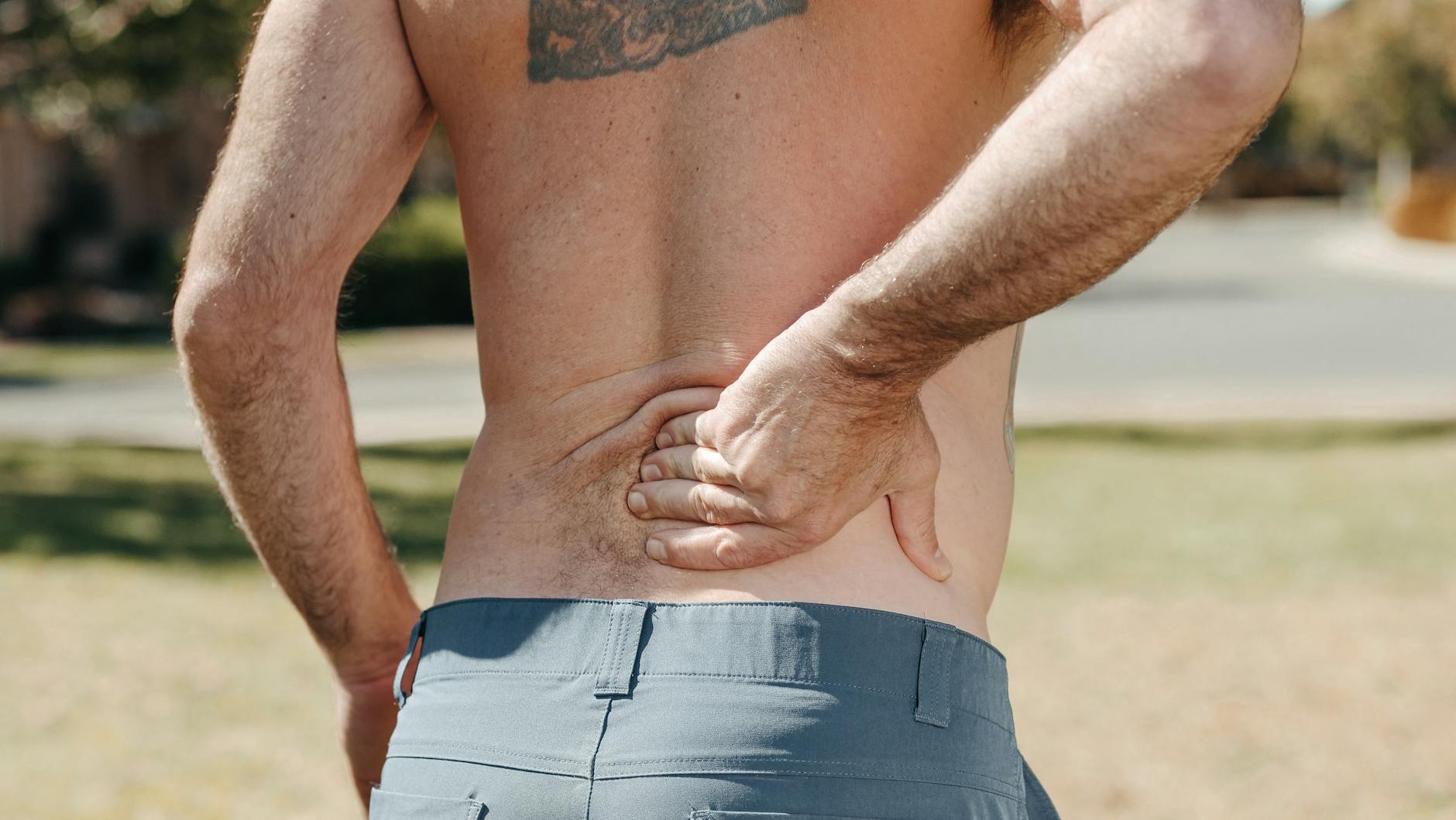
In the world of biomechanics, the conversation often revolves around movement efficiency, posture, and pain relief. But there’s an ongoing debate: is there such a thing as “bad” movement? The answer, based on years of study and practice, is yes—there is indeed good and bad movement, especially when it comes to addressing body pains.
When we talk about biomechanics, we’re referring to the principles that govern how the body moves. These principles provide a blueprint for optimal human mechanics: walking, running, standing, and even throwing. These activities, when performed correctly, are natural expressions of the body’s design. They align the muscles, joints, and ligaments in ways that promote efficient movement and minimize wear and tear on the body. However, when movement deviates from these biomechanical standards, problems arise.
Understanding Good vs. Bad Movement
Good movement aligns with the body’s natural mechanics, allowing you to move efficiently without straining muscles or putting unnecessary stress on your joints. Think of it as the body’s “default” settings—positions and movements that are ingrained in our biological blueprint. These involve activities like walking with proper foot placement, maintaining a neutral spine while standing, or running with efficient stride mechanics.
Bad movement, on the other hand, occurs when we deviate from these default settings. Whether due to injury, poor posture, or repetitive strain, bad movement disrupts the natural mechanics of the body. This leads to compensations—overusing certain muscles or joints to compensate for weak or underused ones—resulting in pain, tightness, and chronic tension throughout the body. For example, a common mistake in movement patterns is slouching or rounding the shoulders, which not only throws off your posture but also leads to chronic tension in the neck and back.
The Blueprint for Human Mechanics
The foundation of human mechanics revolves around four key movements: walking, running, standing, and throwing. These are primal activities that, when performed correctly, can help us optimize our movement patterns. In fact, many chronic pains and injuries arise from a failure to properly load and execute these movements.
- Walking and Running: These are fundamental activities that demonstrate the body’s need for balance, rhythm, and coordination. Proper gait mechanics are crucial for reducing impact on the joints and muscles, particularly in the knees, hips, and lower back.
- Standing: Good posture when standing provides the basis for all movement. The key is to maintain alignment between the head, spine, and pelvis, which can prevent unnecessary strain on muscles and connective tissues.
- Throwing: Although less commonly addressed, throwing is a complex movement that engages the entire body in rotational motion. It can serve as a diagnostic tool for overall body mechanics, as improper execution often reveals imbalances in strength, flexibility, or coordination.
Why Loading These Mechanisms Matters
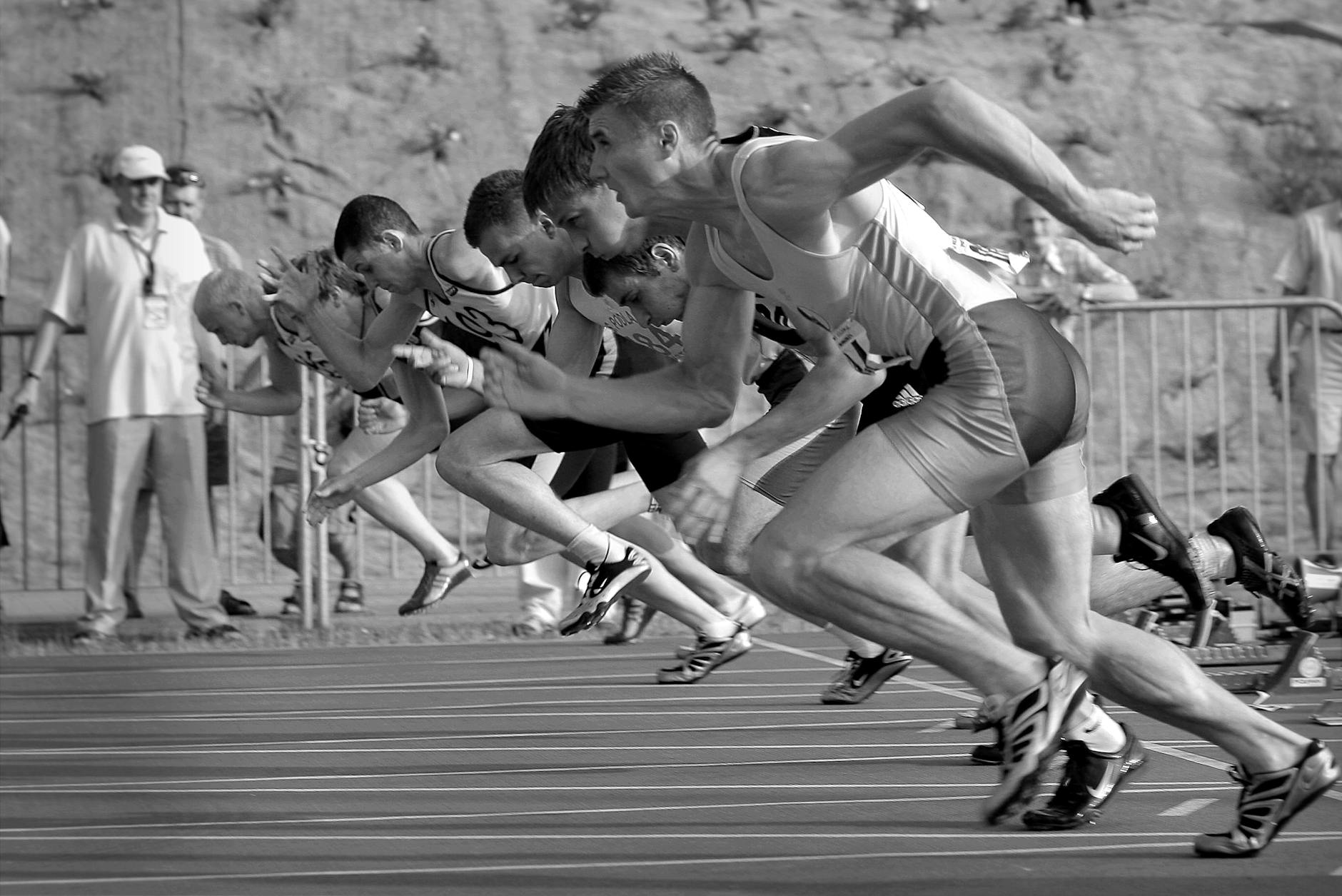
By prioritizing exercises that load and improve the mechanics involved in walking, running, standing, and throwing, we can significantly improve posture and optimize movement patterns. For instance, exercises that strengthen the glutes, hamstrings, and core can enhance running and walking mechanics, helping to eliminate lower back pain or knee discomfort. Similarly, incorporating postural exercises that reinforce proper standing mechanics can correct slouching and improve overall balance.
The goal is to engage in movements that respect the body’s natural design, thereby leading to better posture, enhanced mobility, and ultimately, a pain-free body.
Prioritizing the Right Movements in Training
Unfortunately, many popular exercise routines do not prioritize these natural human mechanics. Instead, they often promote movements that place undue stress on the body, ignoring the principles of efficient biomechanics. Exercises that involve excessive twisting, bending, or unnatural postures can lead to misalignments, muscular imbalances, and chronic pain.
When training, it’s essential to ensure that your exercise regimen reinforces proper movement patterns, respects the body’s natural mechanics, and avoids exercises that exacerbate imbalances or poor posture. By doing so, you not only improve your performance but also reduce the likelihood of injury or chronic tension.
Conclusion: The Path to a Pain-Free Body
Incorporating the principles of biomechanics into your daily life and training routines is the key to moving freely and living without pain. By respecting the natural blueprint of human mechanics—walking, running, standing, and throwing—you can restore balance to your body, improve posture, and alleviate chronic pain. The result is a body that moves efficiently, performs better, and feels good in everyday activities.
 Top Tier Training
Leave a comment